Day 338: Today's Pick — The Azulejos of Lisbon
Portugal put its national art on the outside of its buildings, where the weather and everyone's eyes could get at it. Five centuries later, it's still working.
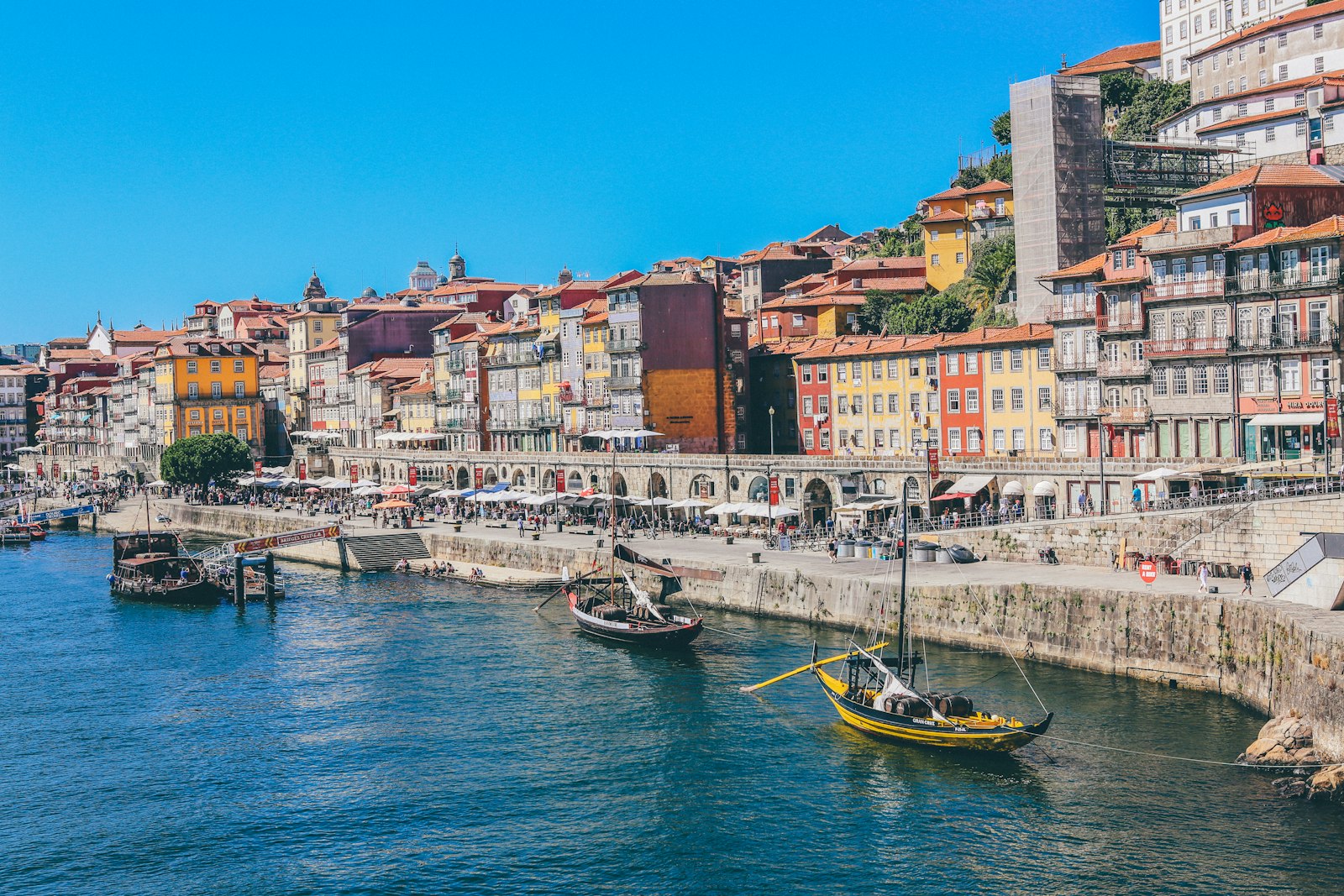
Today's thing — The Azulejos of Lisbon
Most countries keep their great art indoors. Portugal grouted its art to the walls and left it out in the rain.
Today's pick is the azulejo — the glazed ceramic tile that covers Lisbon the way ivy covers other cities. Facades, church interiors, palace staircases, subway stations, the wall behind the pastry counter: tiled, patterned, gleaming. Walk any Lisbon street and you're inside a distributed museum with no ticket booth, no opening hours, and an unusually good chance of pigeons.
A word with a passport
The name is the first clue that this story travels. Azulejo doesn't come from azul, the Portuguese word for blue, though the coincidence is almost too tidy. It comes from the Arabic al-zulayj — roughly, "polished stone" — a legacy of the centuries when the Iberian Peninsula was part of the Islamic world and its craftsmen were masters of geometric tilework. The tradition entered Portugal by way of Spain; the workshops of Seville were an early source, and the geometric, interlacing patterns of those first imported tiles still read as unmistakably Moorish.
Portugal then did what Portugal did in that era: absorbed an influence from one direction and remixed it with influences from every other. When Chinese blue-and-white porcelain and Dutch Delftware became the objects of European obsession in the 1600s, Portuguese tilemakers pivoted to the palette we now consider classic — cobalt blue on white — and began painting not just patterns but pictures: saints and sea battles, fables and hunting scenes, entire Bible stories unspooling across church walls, tile by hand-painted tile.
Wallpaper that survives earthquakes and fashion
Why tile a whole building? The practical answers are good ones. Glazed ceramic shrugs off rain, reflects summer heat, resists fire, and — as Lisbon learned rebuilding after the catastrophic 1755 earthquake — offers a durable, washable skin for a city reconstructing itself in a hurry. The great earthquake is, in a grim way, part of the story: the rebuilt city adopted tile facades widely, and later industrial production in the 19th century made patterned tiles cheap enough for ordinary apartment buildings, not just palaces and convents.
But the deeper answer is that azulejos became how Portugal talks to itself about itself. Art historians like to say the azulejo is Portugal's most distinctive contribution to European art — not painting on canvas but painting fused to architecture, art you lean against while waiting for a tram. The tradition never fossilized, either. Twentieth-century artists carried it underground: many Lisbon Metro stations were given major tile commissions, including work associated with Maria Keil, who helped make the subway a gallery of modern azulejo. The blue-and-white grammar keeps getting new sentences.
How to look at a tiled city
If you go, two stops reward the pilgrimage. The Museu Nacional do Azulejo — the National Tile Museum, housed in a former convent — walks the whole five-century arc, and its star piece is a vast tiled panorama of Lisbon's waterfront made before the 1755 earthquake: a portrait of a city that no longer exists, rendered in the material that outlived it. And in Porto, the São Bento railway station's entrance hall is wrapped in thousands of tiles depicting scenes from Portuguese history — routinely, and fairly, ranked among the most beautiful train stations anywhere.
But honestly, the best azulejo experience is unplanned. It's the moment you notice that the shabby building across from your café has a facade some artisan painted by hand, that half its tiles are patched with near-matches from three later decades, and that the whole imperfect surface is catching the afternoon light like water. Keep an eye out at street markets, too — and then leave the antique tiles where they are. Stripping facades for the souvenir trade is a real problem, and Lisbon would like to keep its walls.
Some cities put their history in books. Lisbon fired hers at high temperature and cemented her to the walls, where forgetting would take a chisel.
Want one of these in your inbox tomorrow?
One pick a day. Free. Unsubscribe in a click.